
Can You Ship a Non-Running Car? Everything You Need to Know
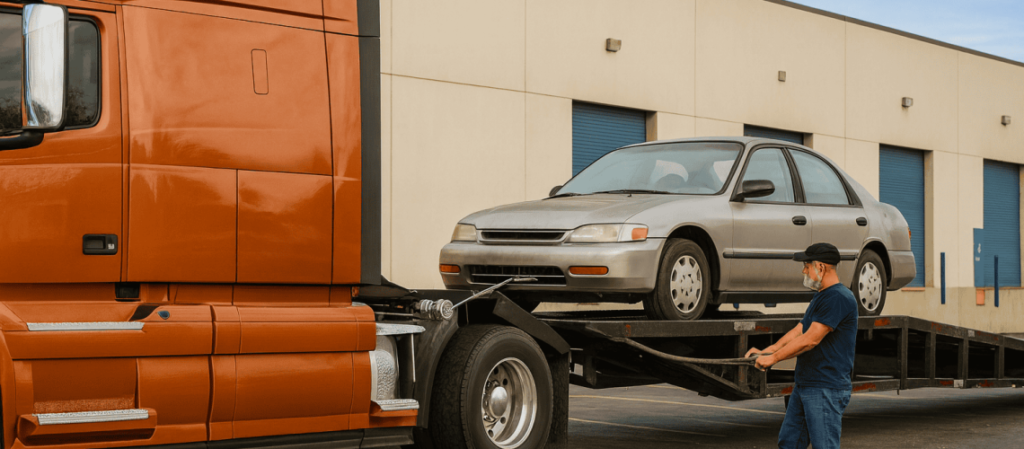
If you have a vehicle that won’t start or can’t be driven, you might wonder: can you ship a non-running car? The answer is yes. Inoperable vehicle shipping is a specialized service designed for cars that cannot operate under their own power. Whether you’re dealing with a restoration project, damaged vehicle, or a car that simply won’t start, understanding how to transport an inoperable vehicle will save you time and money.
What Is Inoperable Vehicle Transport?
Inoperable vehicle transport (also called non-running car shipping) is a specialized service for vehicles that cannot be driven onto a carrier. This service requires equipment like winches or lift gates to load and unload vehicles safely.
Common reasons for shipping inoperable vehicles:
- Classic or vintage car restoration projects
- Vehicles purchased from auctions in non-running condition
- Cars with engine failure or transmission problems
- Accident-damaged vehicles going to repair facilities
- Project cars that cannot be driven
- Vehicles that haven’t run in years
Inoperable vehicle transport is one of the most requested specialized services, right after standard open and enclosed car shipping.
Requirements for Shipping a Non-Running Car
While inoperable vehicle shipping accommodates cars that won’t start, certain components must still function for transport.
Your Vehicle Must Have
- Working brakes – Must engage to prevent rolling during loading
- Functional steering – Must turn to allow positioning on the carrier
- Ability to roll – Must roll when pushed or winched
- Neutral transmission – Must shift into neutral for movement
How Much Does It Cost to Ship a Non-Running Car?
Inoperable vehicle transport costs more than standard shipping due to the required equipment and additional labor it takes to handle non-running cars. In addition, loading and offloading can take 40mins-1hr longer and only certain carriers have the necessary equipment.
Average pricing:
- Standard running vehicle: $1,500-$2,500 cross-country
- Inoperable vehicle: $2,300-$3,300 cross-country
- Additional cost: Typically $800-$1,500 more
Factors Affecting Cost
- Distance: Longer routes tend to cost more
- Vehicle size: Larger vehicles need more powerful winches and equipment
- Accessibility: Remote and hard to access locations increase cost
- Condition severity: Vehicles that are harder to handle cost significantly more
- Season: Summer peak season adds 20%-30%
- Enclosed vs. open: Enclosed costs $800-$1,500 more
Inoperable Enclosed Auto Transport
Many people shipping classic car restoration projects or high-end non-running vehicles prefer enclosed transport for maximum protection.
When to Choose Enclosed Transport
Enclosed makes sense for:
- Restored or partially restored classic cars
- Vintage vehicles with high collector value
- Custom or show cars that aren’t roadworthy
- Long-distance transport through harsh weather
- High-end auction purchases
Enclosed carriers for inoperable vehicles use hard-sided trailers with the necessary equipment to provide both complete protection and safe loading and unloading.
Equipment for Enclosed Inoperable Transport
Specialized enclosed carriers include:
- Heavy-duty winches (9,000-15,000 lb capacity)
- Hydraulic lift gates for ground-level loading
- Specialized tie-down systems
Shipping Oversize Inoperable Vehicles
Transport becomes more complex with oversize vehicles like large trucks, buses, or modified vehicles exceeding standard dimensions.
What We’ll Need
- Length (bumper to bumper)
- Width (including mirrors)
- Height (ground to highest point)
- Weight (approximate if unknown)
This helps us match you with carriers that are properly equipped for both oversize and inoperable vehicles
Preparing Your Non-Running Car for Shipping
Checklist Before Pickup
- Remove all personal items
- Note all inoperable components in writing
- Secure loose parts
- Drain leaking fluids
- Disable alarm systems
- Provide keys
- Ensure clear carrier access
What to Discuss With Transport Company
- What doesn’t work (engine, transmission, brakes, steering)
- Whether it rolls freely in neutral
- Any frame damage or structural issues
- Missing wheels
- Whether it can be steered while winched
- Any safety hazards
Full disclosure of your vehicle’s condition ensures proper equipment is available and prevents surprise fees at pickup.
How the Loading Process Works
- Initial inspection: Driver examines condition of vehicle
- Equipment setup: Carrier positions its trailer for optimal loading
- Attachment: Straps connect to frame
- Winching: Vehicle is slowly pulled onto carrier
- Securing: Multiple tie-down points applied
The whole process can take 40min-1hr.
Common Questions
Can I ship a car without an engine? Yes. Always inform your carrier about missing major components.
Do I need to be present during pickup? No, but someone authorized by you must be present to sign the Bill of Lading and provide keys.
What if my car has a dead battery? If a dead battery is the issue, we suggest to replace battery and avoid the additional costs for inoperable service.
Can inoperable vehicles be shipped on open carriers? Yes, most inoperable transports are done via open carriers.
How long does shipping take? Transit times vary by distance but generally take about the same amount of time as standard car shipping. Pickup may take 3–5 days longer due to the limited availability of carriers equipped to handle inoperable vehicles.
Get Your Inoperable Vehicle Shipped Today
Whether you’re transporting a car that won’t start, a restoration project, or an oversize vehicle, Streaming Logistics has over 20 years of experience and the equipment to safely load and unload your inoperable vehicle.
Call (813) 841-8908 for an instant non-running car shipping quote.